

GRIP TRAINING FOR ARM WRESTLING: THE COMPLETE GUIDE TO BUILDING AN UNBREAKABLE GRIP
There is a moment every arm wrestler knows. You are locked in, shoulder burning, forearm on fire, and suddenly your grip starts to slip. Not your bicep. Not your shoulder. Your grip. That single point of failure decides the match before any other muscle gets a chance to speak.
Grip training for arm wrestling is the foundation of it. And yet most people who sit across a table still treat it as an afterthought, doing a few wrist curls at the end of a session and calling it done.
This guide covers everything you need to know: why grip strength is so specific to the sport, which muscles actually matter, how to train them correctly, and which tools give you the biggest return on your time at the table.
Why Grip Strength Is Different in Arm Wrestling
Grip strength in arm wrestling is not the same as general grip strength. You are not just squeezing a barbell or hanging from a pull-up bar. You are applying force in multiple planes simultaneously, under a dynamic load, while an opponent is actively trying to break your position and trying to open your fingers.
The demands are specific:
Wrist flexion and cupping. Cupping is the act of curling your wrist inward to limit your opponent's leverage. It is one of the most decisive technical moves in the sport. Without strong wrist flexors, you cannot hold a cup position under resistance, and your opponent simply rolls over you.
Pronation and supination. These rotational movements are at the heart of most arm wrestling techniques. Pronation drives the top roll. Supination feeds into the hook. If you cannot generate and sustain force through these ranges of motion, your technical game has no engine behind it.
Crush grip endurance. A match can last seconds or it can last minutes. Your ability to maintain a locked, tight grip under sustained tension separates winners from those who gas out in the handshake.
Wrist extension strength. This one gets ignored constantly. Strong extensors balance your forearm, protect your tendons and ligaments from injury, and give you the ability to resist forced positions during a match.
To win in arm wrestling, you need a combination of grip strength, forearm and wrist stability, and the technical prowess to apply it effectively. Big muscles alone only get you so far without the specific conditioning that the sport demands.
The Muscles You Need to Train
Understanding which muscles drive arm wrestling performance helps you build a smarter, more targeted programme. These are the ones that matter most.
Wrist flexors (flexor carpi radialis and flexor carpi ulnaris). These are your primary cupping muscles. They control your wrist position during a match and generate the inward force that destabilises your opponent's leverage.
Pronator teres and pronator quadratus. Your pronation muscles. Critical for the top roll technique and for maintaining pressure on your opponent's wrist.
Supinator. The opposing rotational muscle. Important for hook technique and for resisting forced supination from your opponent.
Brachioradialis. The large forearm muscle that runs along the top of your arm. It assists elbow flexion, supports most arm wrestling movements, and is one of the key contributors to forearm size and endurance.
Finger flexors (flexor digitorum superficialis and profundus). These control your crush grip. If your fingers open under load, the match is over.
Wrist extensors. Often undertrained. Keeping these strong prevents the chronic tendon issues that sideline arm wrestlers at every level.
The Core Movements to Train
Before getting into specific tools, the movements themselves are what matter. Train these consistently and your grip will improve regardless of what equipment you use.
Wrist Pronation and Supination
These are the two most sport-specific movements in arm wrestling training. Isolate them. Train them with load and through a full range of motion. Do not just work the end ranges. The mid-range of pronation is where most matches are won.
Practical application: use a lever-based tool (more on this below) or a dumbbell held at one end and rotate slowly through the full arc. The key is controlled eccentric loading on the way back down. That is where tendons adapt.
Wrist Flexion and Extension
Wrist curls are not useless, but how you do them matters. Slow, full-range, loaded wrist curls with a fat grip diameter are far more effective than throwing around a 10kg barbell in half the range. The thick diameter recruits more of the hand and forearm musculature.
Always pair flexion work with extension work. The ratio should be roughly 2:1 flexion to extension for arm wrestlers. Neglecting extension is the fastest route to medial epicondylitis, the arm wrestler's most common injury.
Cupping Under Resistance
Cupping is a position, not just a movement. You need to train your wrist to hold a flexed, radially-deviated position under dynamic load while your opponent applies opposing force. This is best simulated with tools that allow you to apply progressive resistance in the cupping position specifically.
Crush Grip with Thick Bar
The standard gym barbell has a 28mm diameter. Most grip in real life, and all of arm wrestling, happens at much larger diameters. Training your crush grip on a 50mm fat grip bar recruits a completely different pattern of muscle activation across the hand, fingers, and forearm. The pinch grip translates very highly to wrestling and wrist control because it involves the thumb, and extension training is the insurance policy against wrist and elbow injuries most athletes skip.
Pinch Grip
Your thumb is involved in every arm wrestling position. Pinch grip training, where you lift a weight using only your fingers and thumb without wrapping the hand, develops the specific thumb and finger strength that makes your grip difficult to break.
The Best Tools for Arm Wrestling Grip Training
Generic gym equipment was not designed with arm wrestling in mind. Cables are useful but fixed in their vector of force. Barbells have the wrong diameter. Machines do not replicate the rotational demands of the sport.
These are the tools that actually transfer to the table.
Wrist Lever
The Wrist Lever is one of the most effective tools for pronation and supination training in a home gym setting. It uses a mechanical lever principle: the tool is approximately 30cm long, and by loading discs at the far end and bracing your forearm on a bench, you create a lever arm that multiplies the perceived load dramatically. Five kilograms of actual load can generate the equivalent rotational stimulus of far more weight on a cable machine.
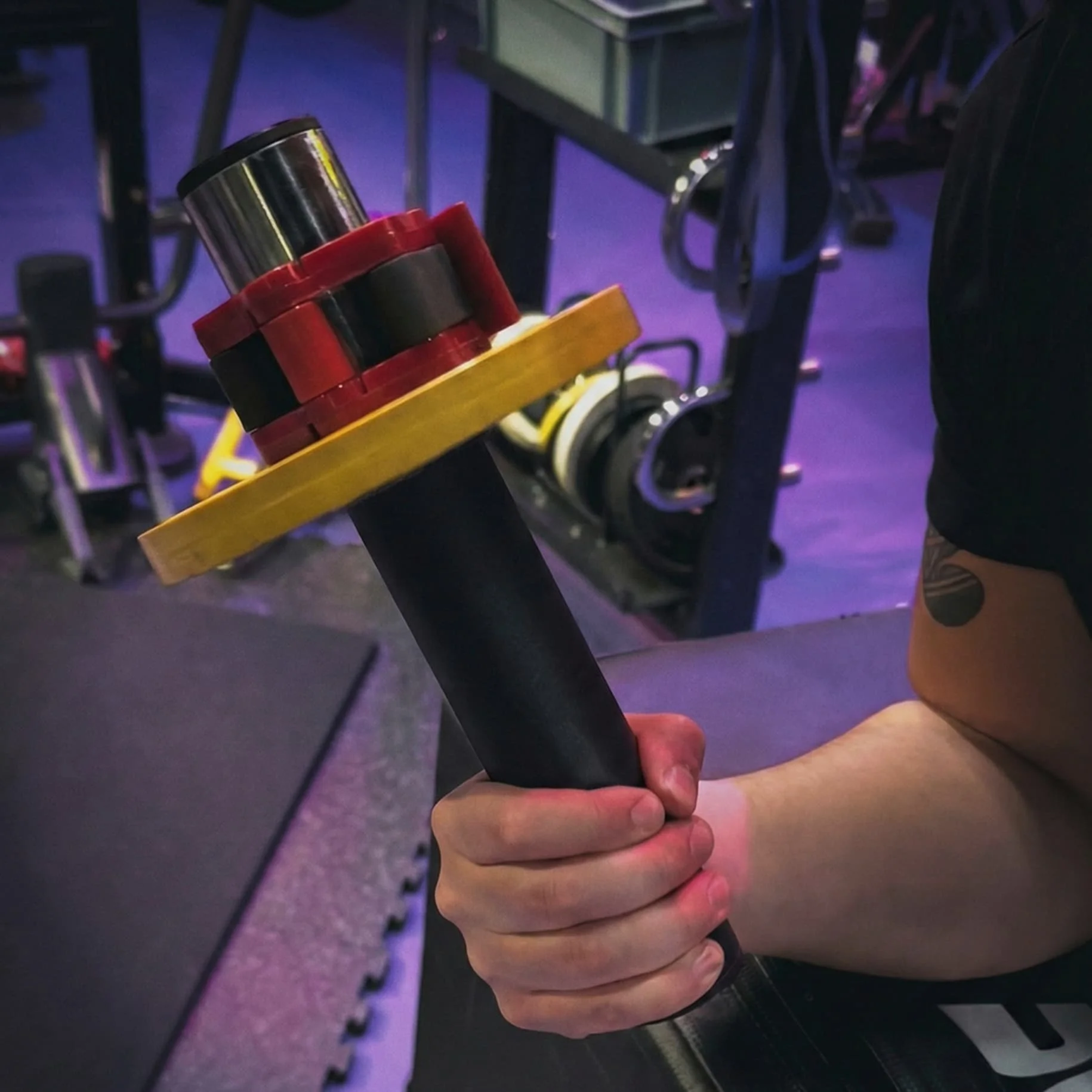
It is plate-loaded for 50mm discs, which means it works with your existing home gym setup and simultaneously trains your grip at a fat diameter. The vector of force follows your wrist through a full 360-degree range of motion, which no cable machine can replicate.
Use it for: pronation and supination isolation, wrist flexion and extension with lever resistance, cupping position holds.
Link: kotor Wrist Lever
Rolling Handles
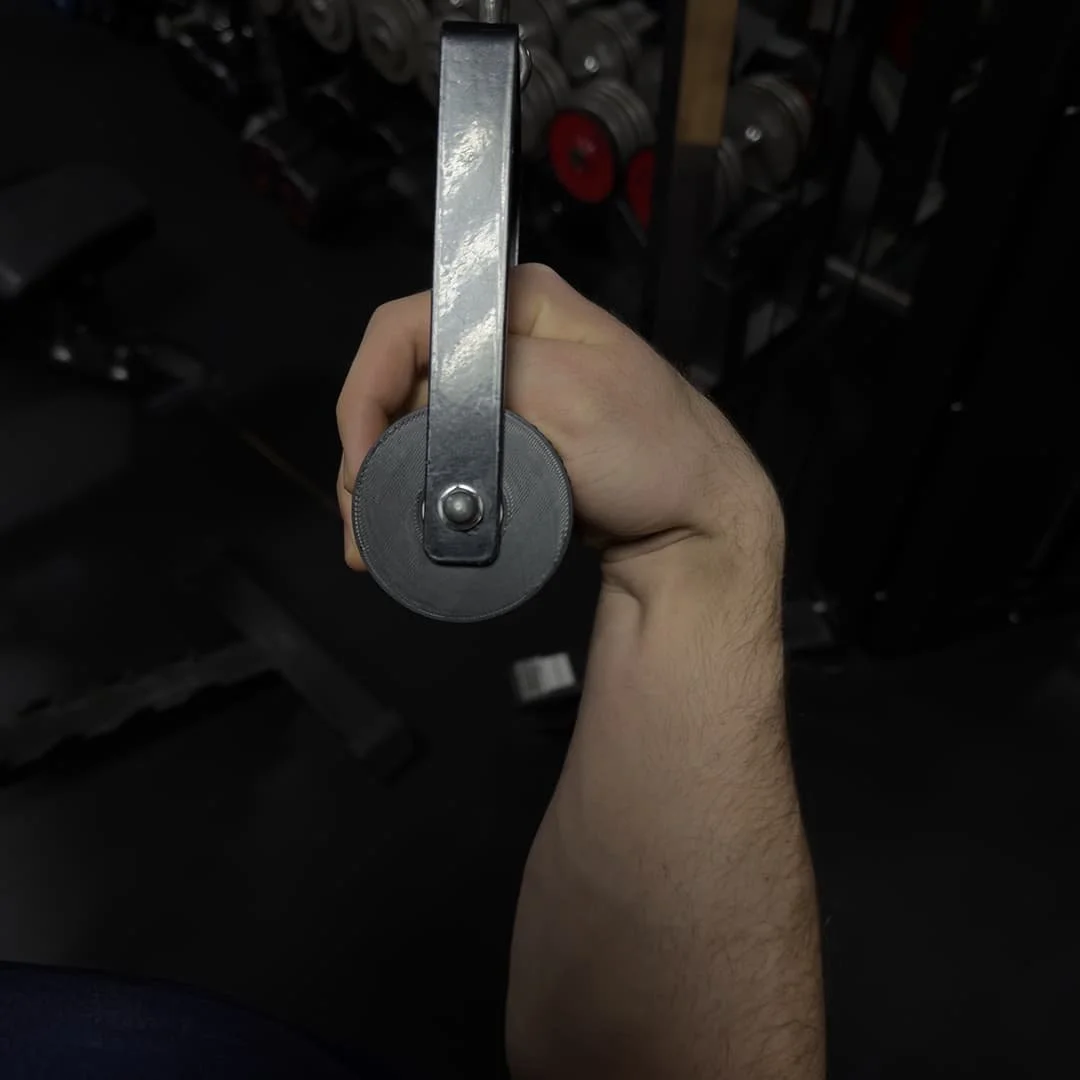
Rolling Handles are the most technically specific arm wrestling training tool we make. The handle rotates freely, meaning your wrist must actively control the rotation throughout the movement. There is no fixed point to brace against. This directly trains the dynamic grip stability that arm wrestling demands.
The rotation means you are training your pronators and supinators not just to produce force, but to control it under a moving load. That is exactly what happens in a real match.
Use them for: cupping with rotation, top roll simulation, grip endurance under dynamic load.
Link: kotor Rolling Handles
Wrist Wrench PRO
The Wrist Wrench PRO is designed specifically to simulate the resistance pattern of the arm wrestling table in a home gym. Most home gym training tools apply force in linear directions. The table applies force at a very specific angle relative to your wrist and forearm. The Wrist Wrench replicates that angle, making every rep directly relevant to your table performance.
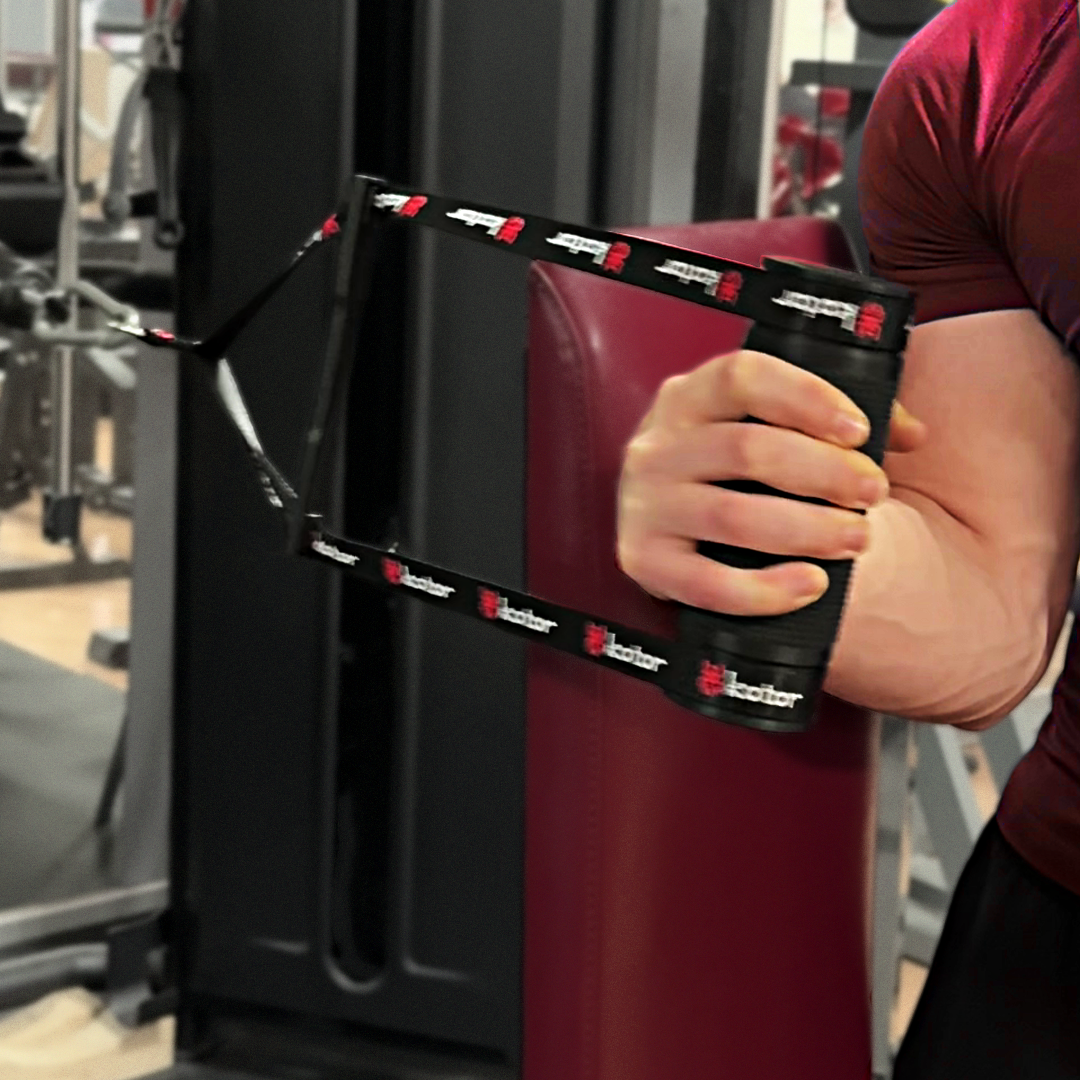
It is ideal for athletes who train alone and do not always have access to a partner or a table.
Use it for: table-specific wrist and forearm conditioning, home gym arm wrestling simulation, technical position training.
Link: kotor Wrist Wrench PRO
Otto Grip
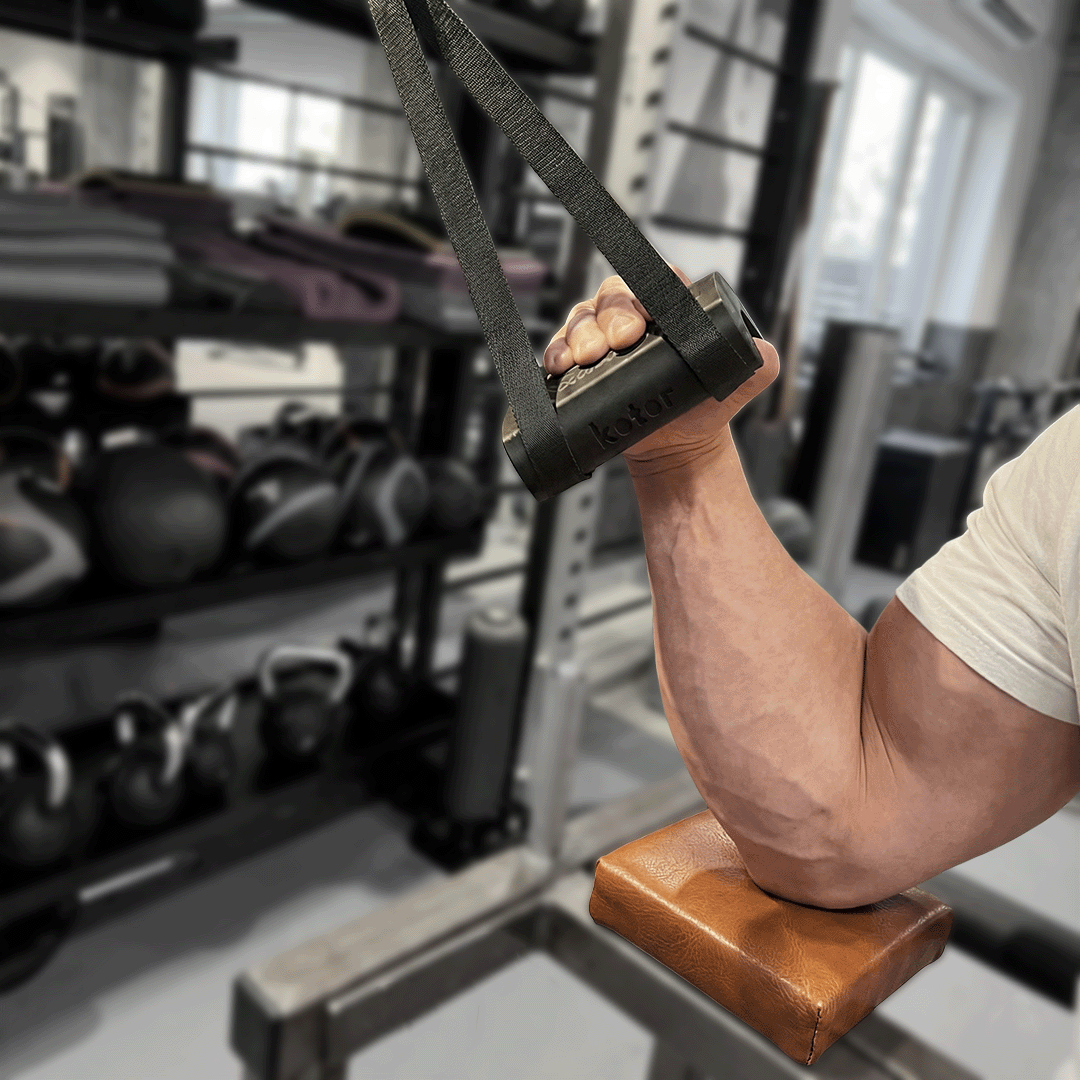
The Otto Grip is a cupping-specific handle designed for athletes who have moved past general wrist training and need to develop the specific cupping position under progressive load. It positions your wrist in the exact angle used during the cupping technique and allows you to load that position with weights.
It is an advanced tool. Beginners will get more value from the Wrist Lever first. But for intermediate and advanced arm wrestlers, the Otto Grip fills a very specific gap that general tools cannot.
Use it for: cupping position strength, advanced wrist flexion loading, competition-specific preparation.
Link: kotor Otto Grip
Multispinner PRO
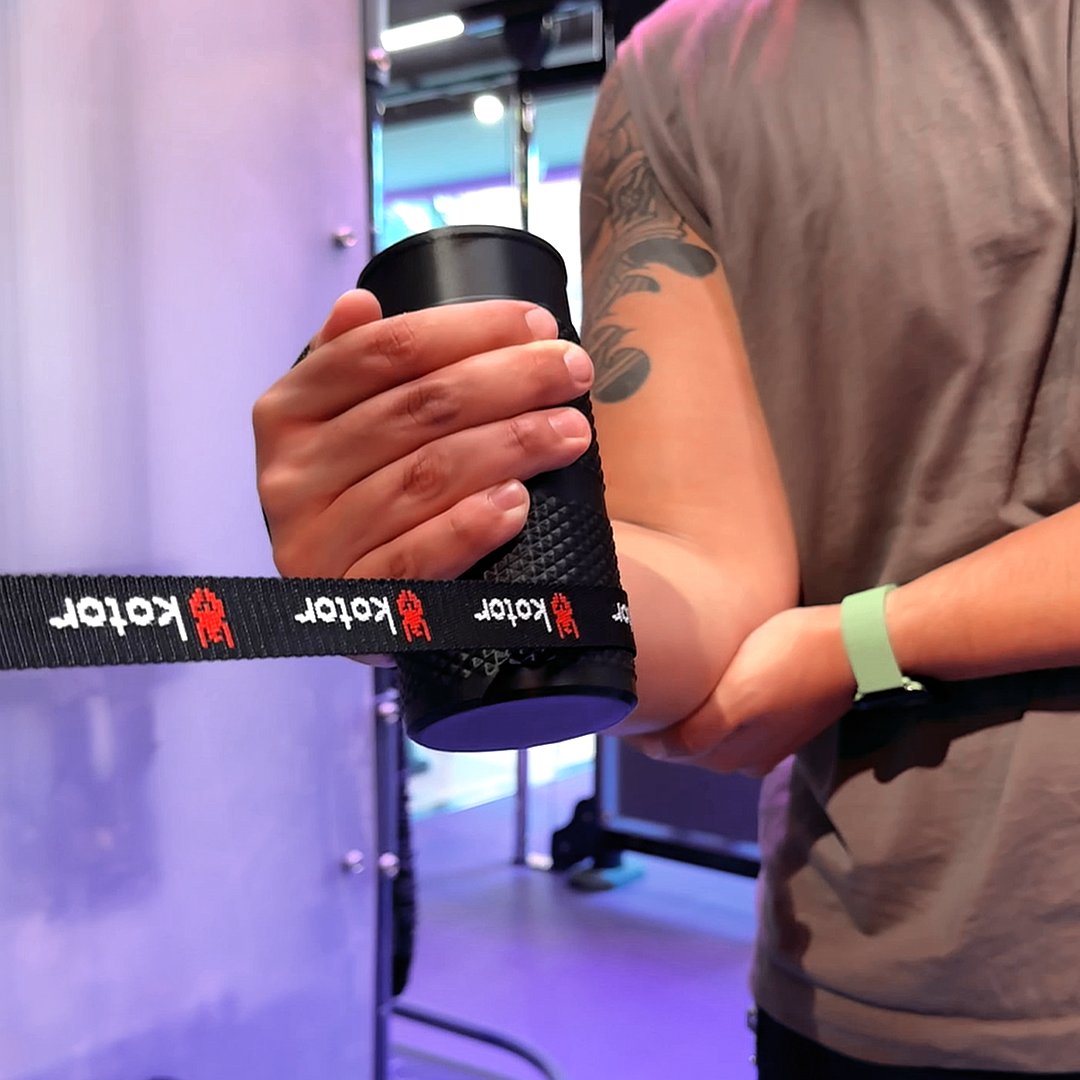
The Multispinner PRO is built for the over-the-top movement and pronation training under resistance. If your primary technique involves driving your opponent's hand down through pronation, this tool trains exactly that pattern with progressive overload.
It is one of the most technically demanding tools in the catalogue and is best suited to athletes who already have a solid base of wrist and forearm strength.
Use it for: pronation-dominant technique training, over-the-top specific strength, advanced rotational power.
Link: kotor Multispinner PRO
Pinch Block and Pinch Plate
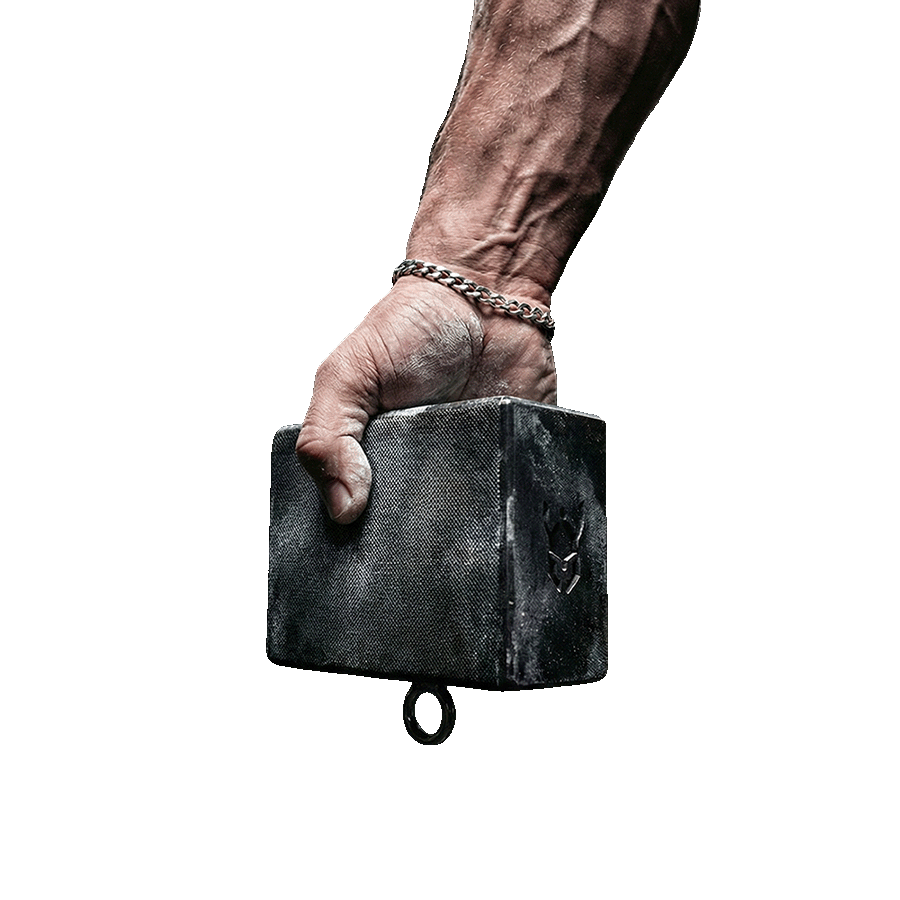
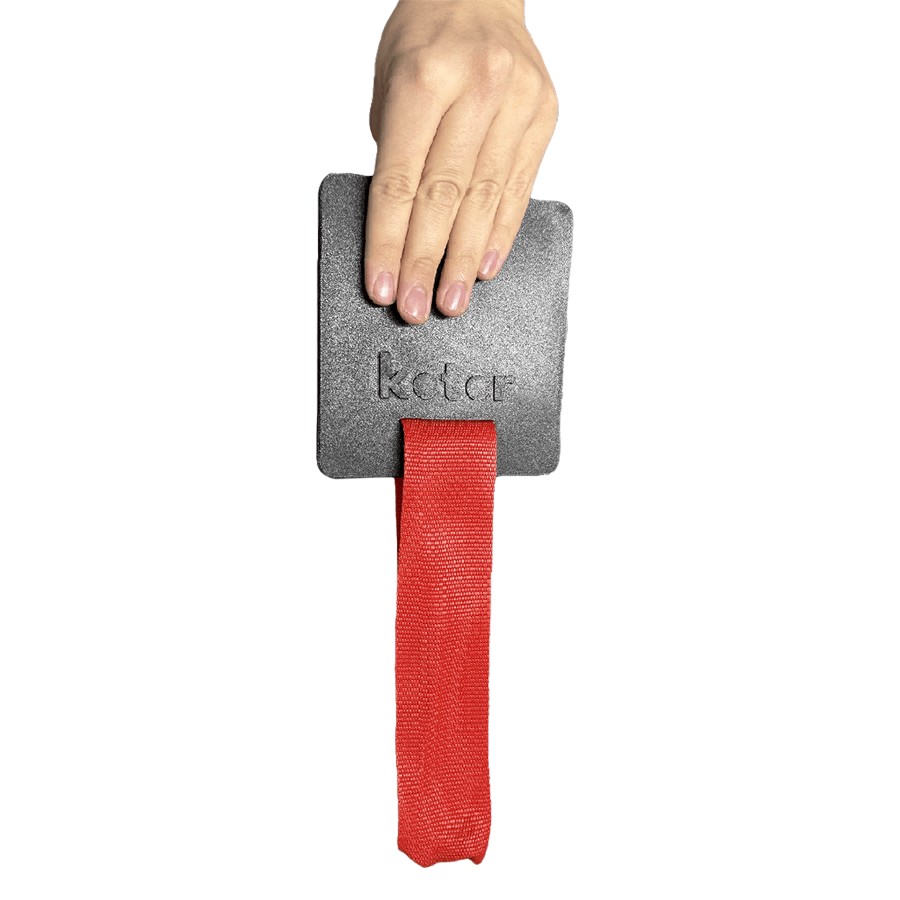
Thumb and finger strength are underestimated in arm wrestling. Your grip starts with your fingers, and if they open under pressure, no amount of forearm strength will save you. The Pinch Block and Pinch Plate allow you to progressively overload your pinch grip with plates, developing the specific thumb and finger strength that makes your initial grip set difficult to break.
Use them for: pinch grip strength, thumb development, finger endurance, grip security.
Links: kotor Pinch Block | kotor Pinch Plate
Wrist Roller
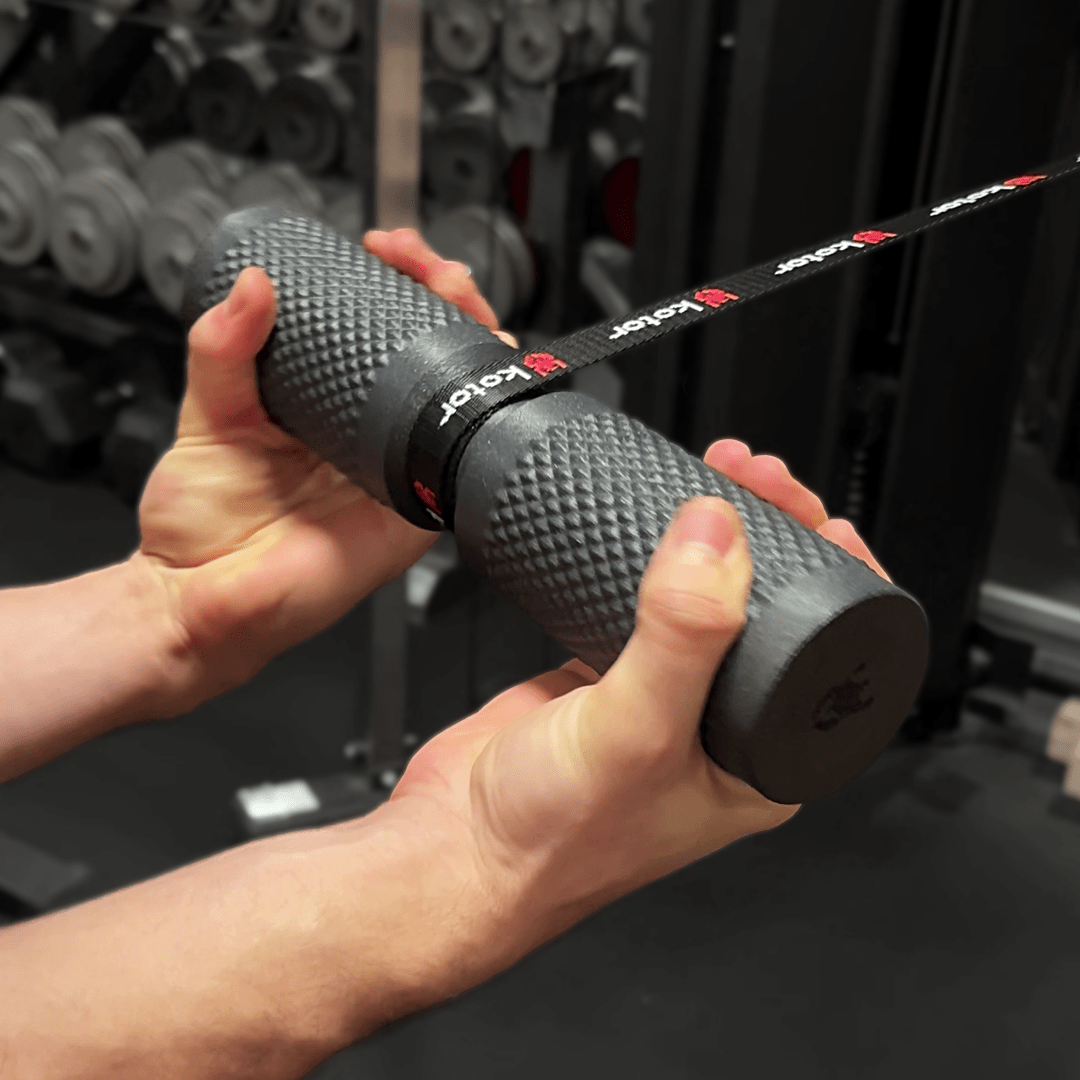
The Wrist Roller is old school for a reason. High-volume, time-under-tension training for the wrist flexors and extensors builds the muscular endurance that keeps your forearm functional deep into a long match or a heavy training session. It is not glamorous, but it works.
Use it for: forearm endurance, wrist flexion and extension volume, warm-up and finisher work.
Link: kotor Wrist Roller
Axle Dumbbell and Loadable Dumbbells (50mm)
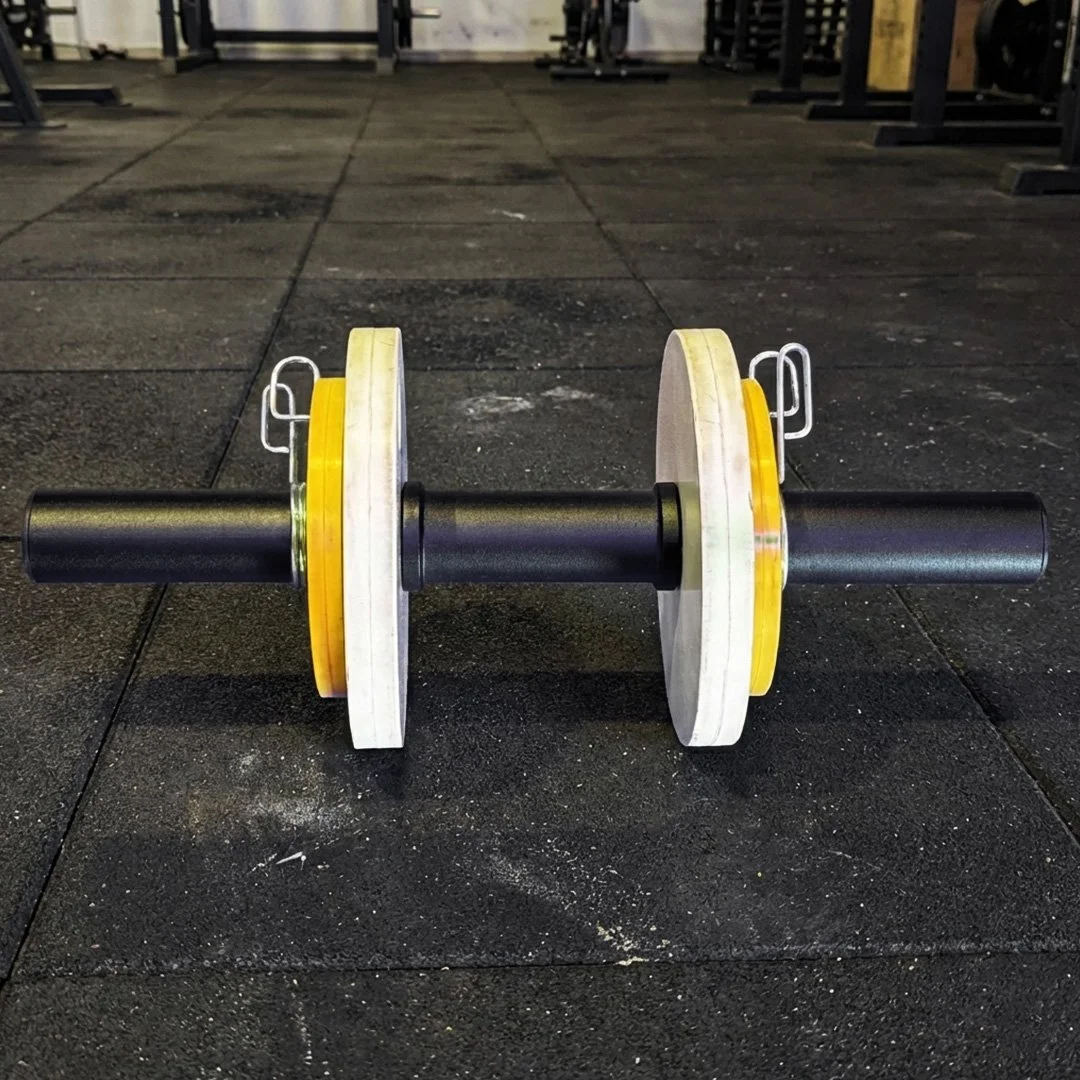
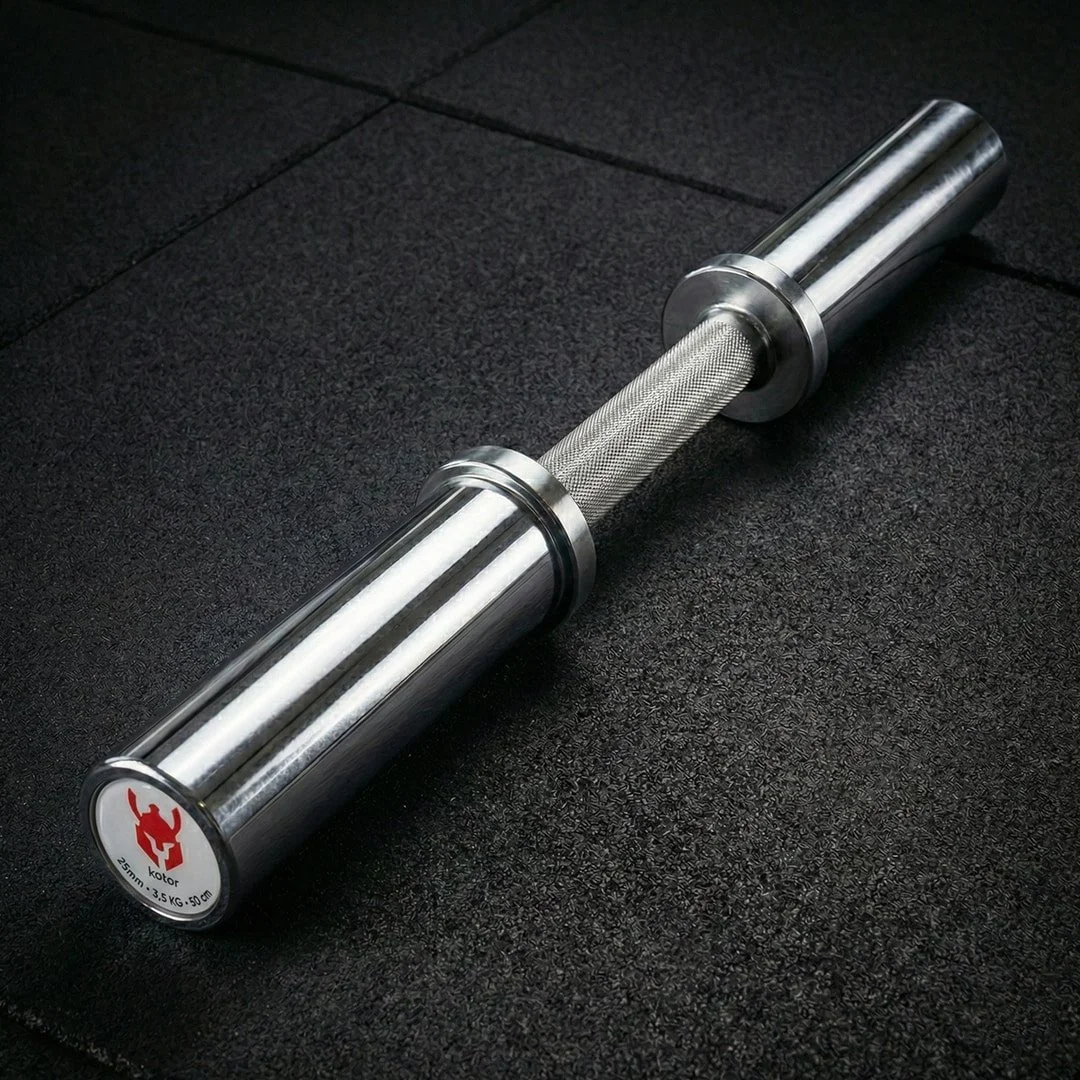
Training with a 50mm fat grip diameter changes everything about how your hand and forearm work. Standard 28mm barbells and dumbbells allow you to close your hand around the bar and rely on a tight grip. A 50mm diameter forces your hand to work differently: more finger flexor recruitment, greater forearm activation, and a higher neural demand from every set.
The Axle Dumbbell and Loadable Dumbbells let you take any exercise you already do and immediately increase the grip demand by changing the diameter. Curls, rows, presses: every one of them becomes a grip training exercise when you hold them at 50mm.
Links: kotor Axle Dumbbell | kotor Loadable Dumbbells
A Sample Weekly Grip Training Programme for Arm Wrestlers
This programme is designed for intermediate arm wrestlers training three to four times per week. Adjust volume based on your recovery capacity. Tendons adapt more slowly than muscles, so progress conservatively and never train through sharp pain.
This is a program based on what pro Armwrestlers like Levan Saginashvili, Devon Larratt, School Boy, Michael Todd, Todd Hutchings, ecc… do to train their forearms.
Session A: Pronation and Supination Focus
Wrist Lever pronation: 4 sets of 8-10 reps, controlled eccentric
Wrist Lever supination: 4 sets of 8-10 reps
Rolling Handle cupping curls: 3 sets of 12 reps
Wrist Roller (flexion): 3 sets to failure
Session B: Crush Grip and Pinch Focus
Fat grip dumbbell curls (50mm): 4 sets of 10 reps
Pinch Plate holds: 4 sets of 20-30 seconds
Pinch Block deadlifts: 3 sets of 6-8 reps
Wrist Roller (extension): 3 sets to failure
Session C: Table-Specific and Cupping
Wrist Wrench PRO: 4 sets of 12 reps per movement
Otto Grip cupping holds: 4 sets of 15-20 seconds
Multispinner PRO (if advanced): 3 sets of 10 reps
Grip endurance finisher: hold a fat grip dumbbell for 60 seconds, 3 rounds
Common Mistakes in Arm Wrestling Grip Training
Training only flexion. Every wrist curl, every grip exercise, every pull movement works your flexors. Your extensors get almost nothing unless you actively programme them. This imbalance is the primary cause of medial epicondylitis in arm wrestlers. Train your extensors every session.
Ignoring the eccentric. The lowering phase of every movement is where tendons get stronger. Slow your eccentrics down to three to four seconds on every rep. Your tendons will thank you in six months.
Training grip every day. Tendons need more recovery time than muscles. Two to three dedicated grip sessions per week with at least one rest day between each is more than enough. More is not better here.
Using a diameter that is too thin. If you are training arm wrestling grip on standard barbells and dumbbells, you are training a different movement pattern than the sport demands. Get a 50mm fat grip tool and use it for the majority of your loading work.
Jumping to advanced tools too fast. The Otto Grip and Multispinner PRO are excellent tools, but only after you have built a foundation of wrist and forearm strength. Start with the Wrist Lever, the Rolling Handles, and fat grip loading. Add the more specific tools when your base is solid.
How Long Does It Take to See Results
Grip strength responds well to consistent training, but there are two timelines to understand.
Muscular strength improves relatively quickly. Four to six weeks of consistent work and you will notice meaningful improvements in how your forearm feels during and after training.
Tendon adaptation takes longer. The connective tissue in your wrist and forearm needs four to six months of progressive loading before it is truly conditioned for the demands of arm wrestling. This is not optional. Athletes who rush this process get injured.
Be patient with the tendons. Train consistently. The results will come.
Final Thoughts
Grip training for arm wrestling is a long game. The athletes who consistently dominate at the table are not always the ones with the stronger forearms and hands. They are the ones whose grip never gives up, whose wrist position holds under pressure, and whose tendons have been conditioned over years of patient, specific work.
The tools matter. Training the right movements in the right patterns with progressive overload is what separates athletes who plateau from athletes who keep improving. Generic gym work gives you a base. Sport-specific grip training gives you the edge.
If you are not sure where to start, take the kotor quiz and we will tell you exactly which tools fit your training level, your sport, and your goals.
Take the Quiz | Browse the Full Catalogue
kotor MuscleMakers designs and manufactures grip training equipment for arm wrestlers, combat sport athletes, climbers, and strongman competitors across Europe. Every tool in the catalogue was built to solve a real training problem.