

WRIST ROLLER: HOW TO USE IT, WHY IT WORKS, AND HOW TO GET THE MOST OUT OF IT
Wrist Roller: How to Use It for Stronger Forearms
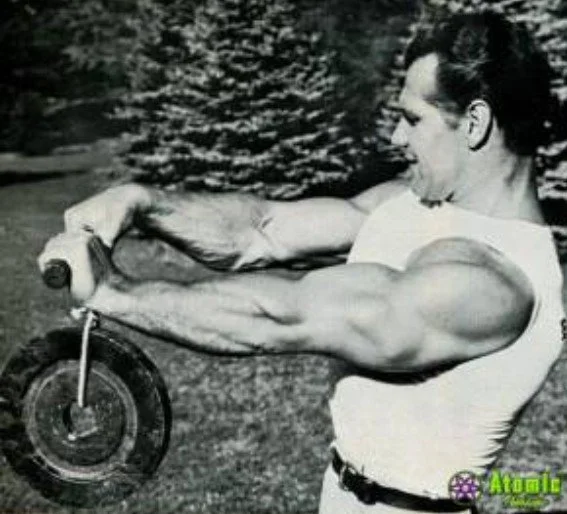
The wrist roller is one of the oldest forearm training tools in existence. It has been around since the early days of strongman training, it sits in the corner of almost every serious home gym, and it is one of the most consistently underused pieces of equipment in the building.
Most people pick it up, roll it a few times, get a pump, and put it back without ever understanding why it works or how to make it work harder for them. This guide covers the correct technique, the most effective variations, the mistakes that limit your results, and how the wrist roller fits into a serious grip and forearm training programme.
What Is a Wrist Roller and What Does It Train
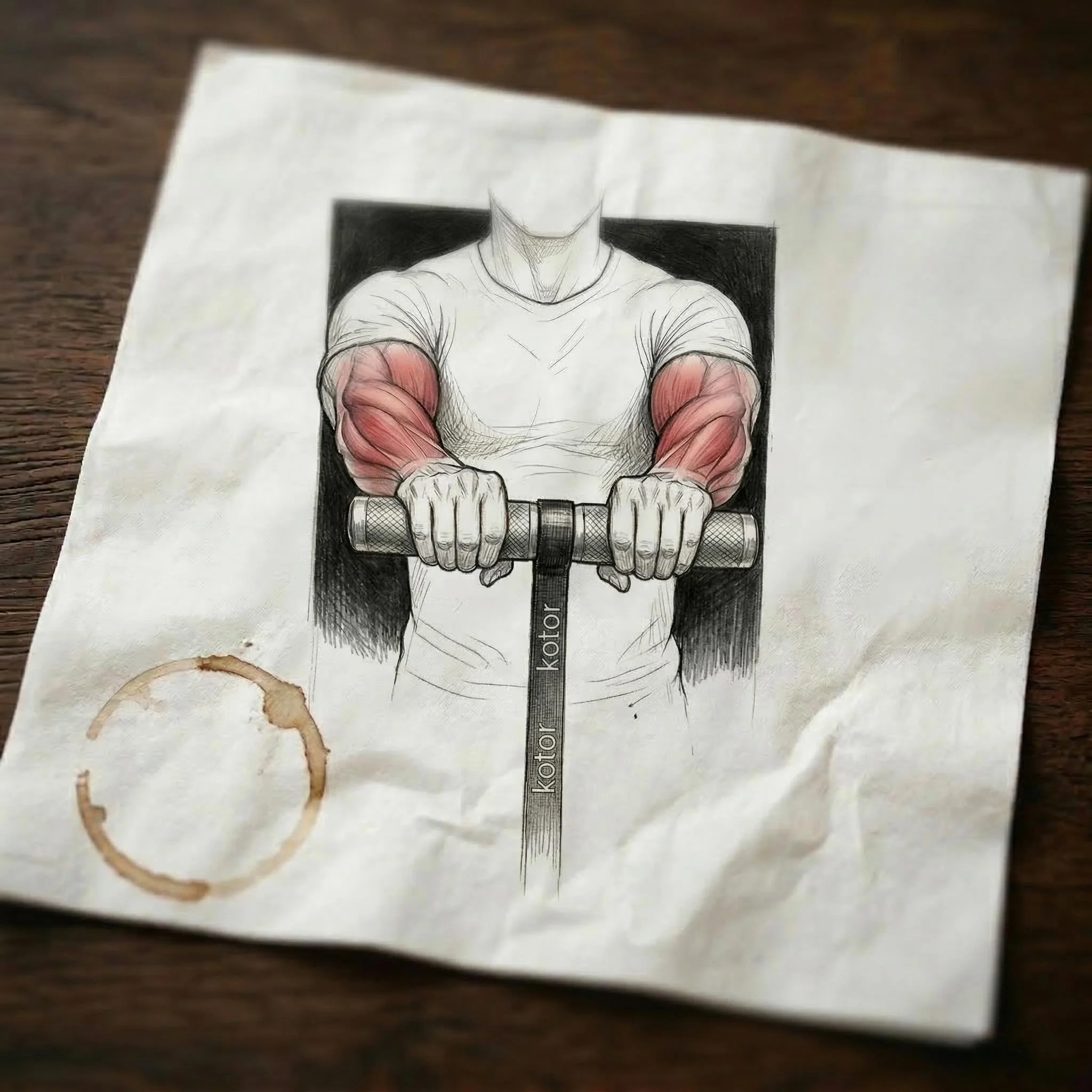
A wrist roller is a simple tool: a handle or bar attached to a rope or cord, with a weight hanging from the end. You hold the bar at arm's length, and by rotating your wrists you wind the cord up, lifting the weight, then lower it back down by reversing the rotation.
That description makes it sound basic. The training effect is anything but.
The wrist roller places the forearm muscles under sustained tension for an extended time. A single set can last 30 to 60 seconds or longer, which means your forearm muscles are contracting continuously without the brief rest between reps that most standard exercises allow. This creates a unique combination of strength and endurance stimulus that few other tools can replicate.
The primary muscles trained are the wrist flexors on the underside of the forearm and the wrist extensors on the top. Depending on direction of rotation, you emphasise one or the other. Arm position and the weight used shift the demand between different sections of the forearm musculature.
For arm wrestlers, rock climbers, BJJ athletes, strongman competitors, and anyone who needs a grip that does not give out under sustained effort, the wrist roller is one of the most direct and effective tools available.
How to Use a Wrist Roller: Correct Technique
Technique matters more than weight with a wrist roller. The wrong execution pattern not only limits results, it shifts load away from the forearm and onto the shoulder and elbow in ways that lead to fatigue and injury over time.
Step One: Position
Stand upright with your feet shoulder-width apart. Grip the roller handle with both hands about shoulder-width apart or slightly narrower. Your palms can face down (pronated) or up (supinated) depending on which variation you are doing.
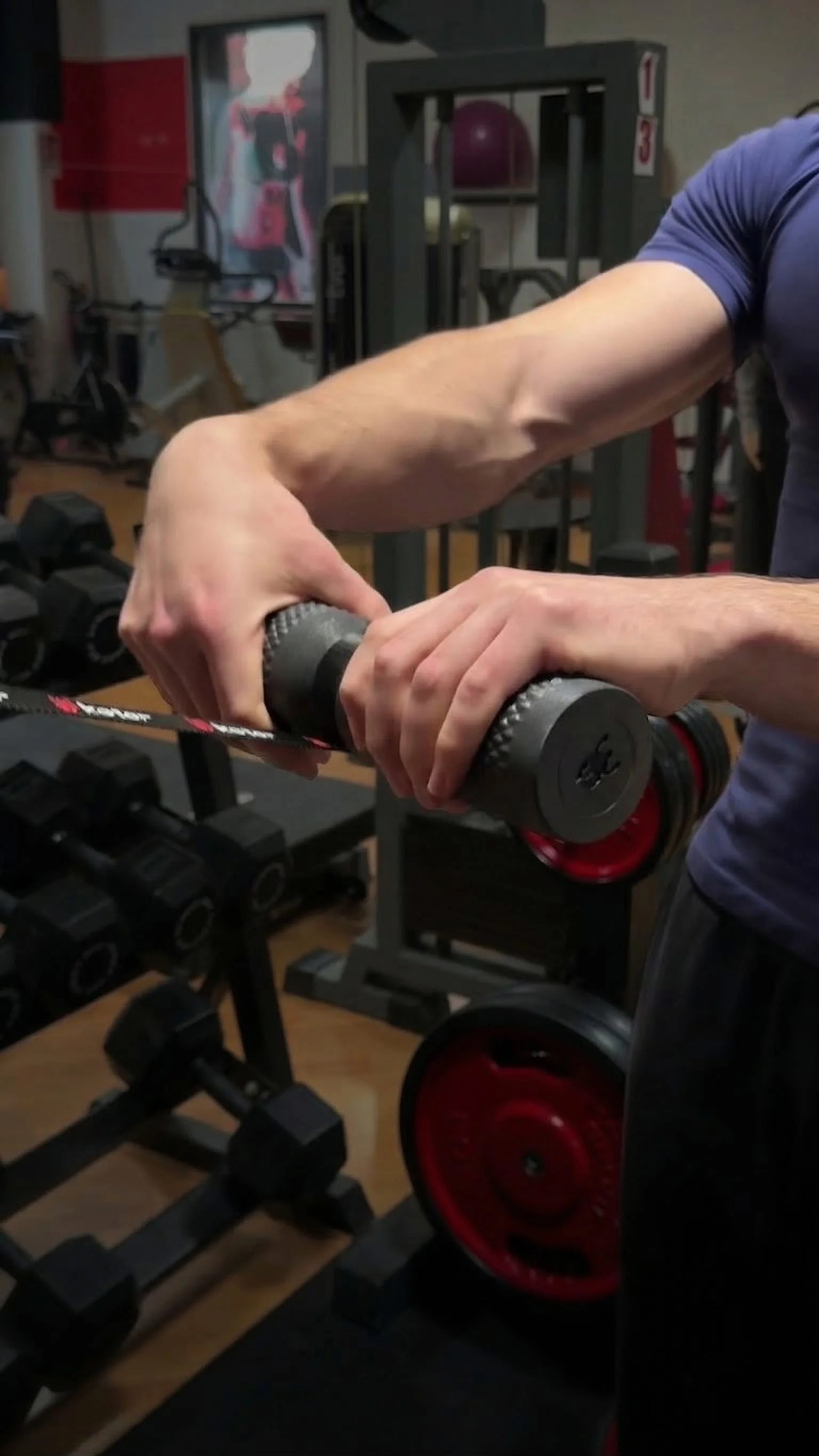
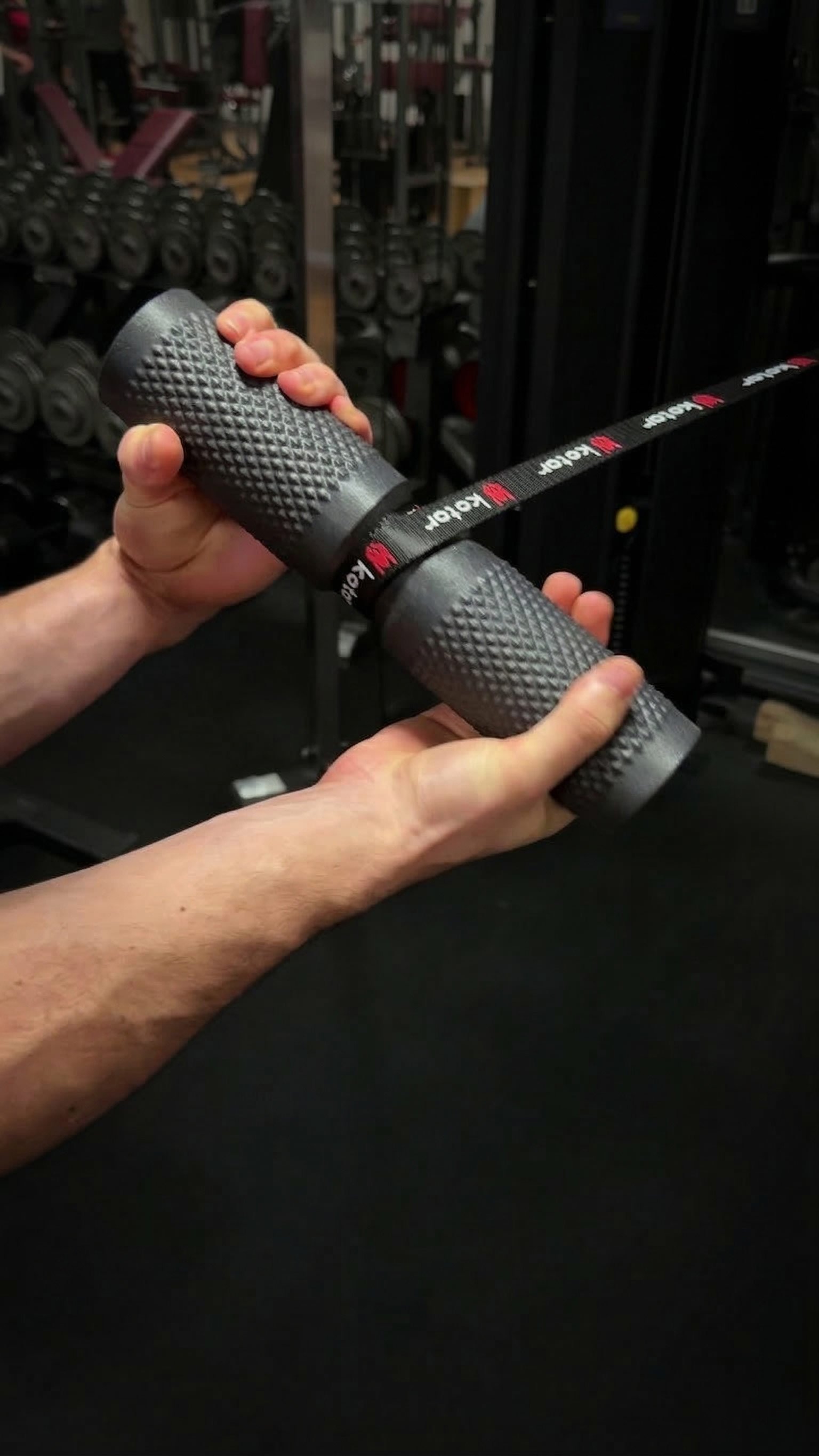
The most important element of positioning is arm angle. Many people let their arms hang too low, or hold the roller too close to their body. The optimal starting position is arms extended forward at roughly 90 degrees to your torso, parallel to the floor. This position puts maximum tension on the forearm throughout the movement and eliminates the tendency to swing or use momentum.
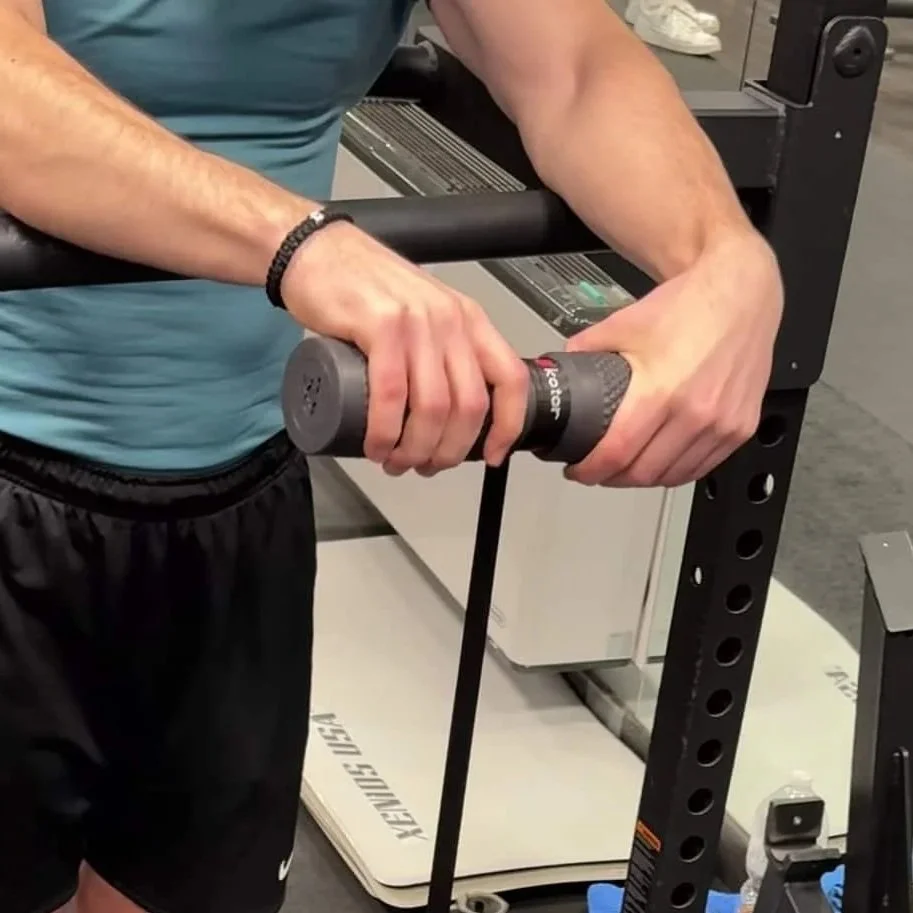
PRO TIP: If your shoulders fatigue before your forearms do, your arms are too high or you are holding the roller for too long without resting the shoulder position.
Bracing your forearms against a bench or pad eliminates shoulder involvement and puts the load exactly where it belongs: on the wrist flexors and extensors.
Step Two: The Winding Motion
Initiate the movement by flexing one wrist upward while the other extends downward, creating the rolling motion that winds the cord around the handle. The movement is rhythmic and controlled. Think of it as wringing out a towel slowly rather than spinning a wheel as fast as you can.
Slow, deliberate rotations create more time under tension and a stronger training stimulus. Fast, uncontrolled spinning generates momentum that reduces muscle activation and puts shear force through the wrist joint.
Aim for one full rotation every two to three seconds on the way up. Do not rush.
Step Three: The Lowering Phase
This is where most people fail completely. Once the weight reaches the top, they simply let it drop back down by unwinding rapidly. This wastes half the set.
The eccentric, or lowering phase, is where tendons adapt and where forearm strength is built most effectively. Lower the weight back down with the same controlled speed you used on the way up. Resist the rotation. Make it hard. The burning sensation in the forearm on a slow lowering phase is where the real training happens.
One full set is one wind up and one controlled lowering. Rest, then repeat.
The Main Wrist Roller Variations
Different positions and rotation directions change which part of the forearm is emphasised. Rotating through all the main variations gives you comprehensive forearm development that no single movement can deliver alone.
Pronated Grip (Palms Down), Arms Extended
This is the standard starting position. Palms face the floor, arms extended forward at 90 degrees. Winding the cord upward with this grip primarily trains the wrist extensors, the muscles on the top of your forearm. These are chronically undertrained in most gym programmes and are directly responsible for wrist injury prevention.
This variation is the first one to learn.
Wrist Roller Pronated Palms Demostration
Supinated Grip (Palms Up), Arms Extended
Rotate your grip so your palms face the ceiling. Everything else stays the same. This shifts the primary load to the wrist flexors, the larger and generally stronger muscles on the underside of the forearm. For arm wrestlers and combat sport athletes, this is the variation with the most direct sport transfer.
If you can only do one variation, this is the one to prioritise for raw forearm strength.
Wrist Roller Supinated palms demostration
Seated, Arms Resting on Thighs
Sit on a bench and rest your forearms on your thighs with the roller in your hands and the weight hanging off the edge. This isolates the wrist completely, eliminating any arm movement and placing the entire load directly on the wrist flexors and extensors.
It is a more joint-specific variation and is particularly useful in rehabilitation contexts or when building up forearm strength from scratch. It is also an effective finisher because the isolation is intense.
Programming the Wrist Roller: Sets, Reps, and Frequency
The wrist roller is not a warm-up tool and it is not a finisher you tack on as an afterthought. Used correctly it is a primary forearm and grip training exercise that deserves its own slot in your programme.
For strength development: use a weight that allows controlled winding for one full up-and-down cycle, with the lowering phase taking at least 20 to 30 seconds. Perform 4 sets with 90 seconds of rest between sets. Add weight when you can complete all four sets with full control on the lowering phase.
For endurance and conditioning: use a lighter weight and aim for two to three full up-and-down cycles per set without rest. The goal here is sustained forearm contraction over time. This variation directly transfers to grip endurance in combat sports, climbing, and arm wrestling.
For beginners: start with arms at your sides and a very light weight. Focus entirely on technique and the controlled lowering phase for the first four to six weeks before increasing weight or moving to the extended arm position.
Frequency: two to three times per week is sufficient. Forearm tendons need more recovery time than muscles. Training the wrist roller every day is a reliable way to develop chronic forearm and wrist pain. More is not better here.
How the Wrist Roller Fits into a Grip Training Programme
The wrist roller does not replace other grip training. It complements it. Here is how it fits alongside the rest of your forearm training.
The wrist roller is exceptional at building forearm endurance and developing the flexors and extensors through a continuous tension stimulus. What it does not train is pinch grip, rotational strength, or the sport-specific wrist angles that direct-technique tools address.
A complete forearm programme for arm wrestlers would combine the wrist roller with tools like the Wrist Lever for pronation and supination strength, Rolling Handles for dynamic rotational grip, and Pinch Block work for thumb and finger strength. The wrist roller handles the volume and endurance component while the more specific tools address the strength and technical demands of the sport.
For climbers, the wrist roller pairs well with finger-specific training on the FingerDestroyer or the Vertical Fat Grip. For BJJ and MMA athletes, it builds the sustained grip endurance that matters most in long rounds and scrambles.
For general home gym athletes who want bigger, stronger forearms, the wrist roller combined with fat grip dumbbell work on 50mm diameter handles covers most of what you need.
Common Mistakes and How to Fix Them
Letting the weight drop on the way down. The most common mistake and the most costly one for results. Fix it by actively resisting the downward rotation and timing your lowering phase. If you cannot control the lowering, the weight is too heavy.
Arms too high. Holding your arms above shoulder height shifts load to the front deltoid and causes early shoulder fatigue. Keep arms at or below shoulder level throughout the set.
Rotating too fast. Speed reduces muscle activation and increases joint stress. Slow down. Two to three seconds per full rotation is the target.
Using the wrist roller as a warm-up. It is not a warm-up tool. Using it cold and with any significant weight before your joints and tendons are ready is how forearm injuries happen. Warm up your wrists and forearms first, then use the roller as a primary exercise.
Ignoring the extension direction. Most people wind upward in the flexion direction and stop there. Doing both directions in every session keeps your flexor-to-extensor balance healthy and reduces injury risk.
Too much weight, too soon. The forearm tendons adapt more slowly than the muscles. Your forearms might feel capable of handling heavier weight long before your tendons are ready for it. Increase weight gradually over weeks, not sessions.
How to Choose a Wrist Roller
Not all wrist rollers are equal. The two things that matter most are the grip diameter and the build quality of the handle.
A standard thin bar wrist roller gives you an adequate training stimulus, but a50mm fat grip diameter changes the exercise significantly.The thicker handle recruits more of the finger flexors and hand musculature alongside the wrist work, increasing the total forearm training stimulus per set. For anyone whose training goal includes arm wrestling, climbing, or combat sports, a fat grip wrist roller is the better choice from day one.
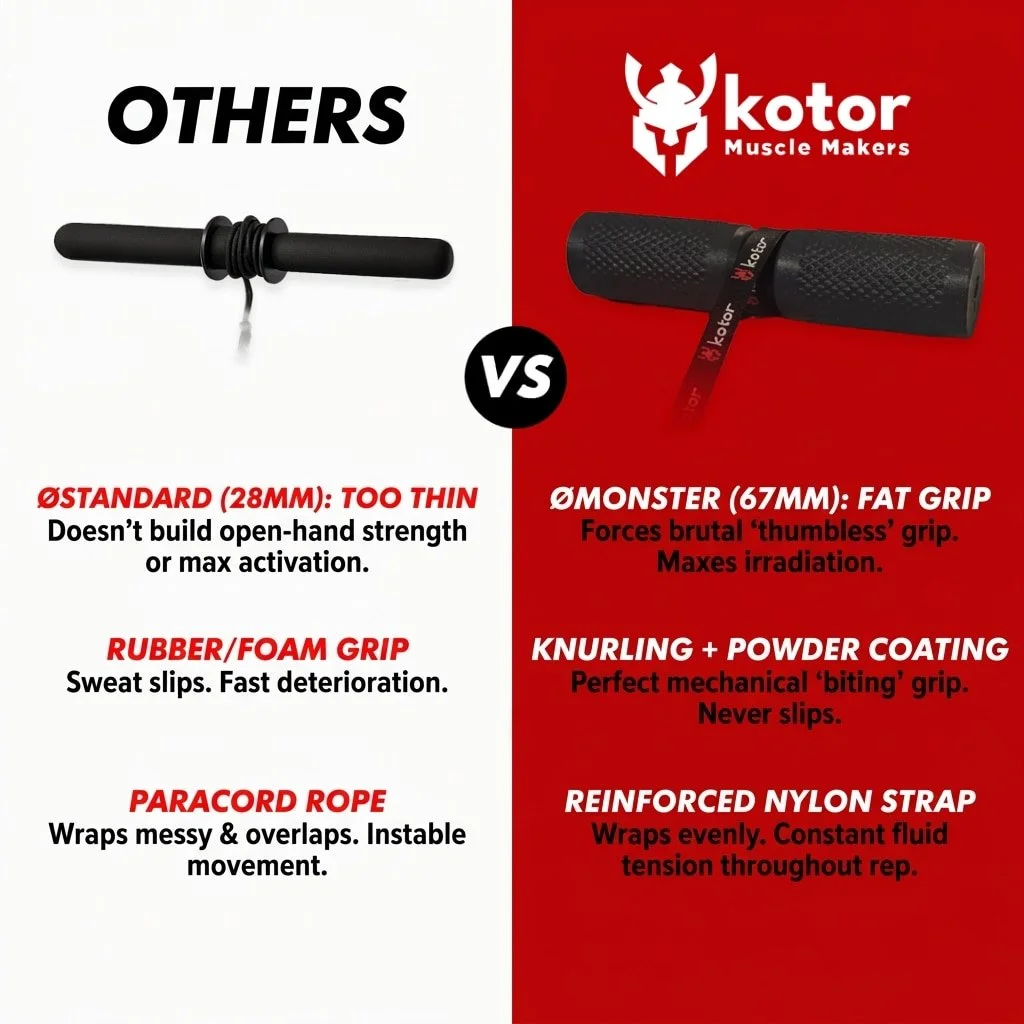
Build quality matters because the cord and attachment point take a lot of stress. A poorly built roller will fail, and a failing roller under load means a falling weight. Look for a durable handle, a durable nylon strap, and a secure weight attachment.
The kotor Wrist Roller is built with a 50mm fat grip diameter, a handle with powder coating for grip security, and a heavy-duty nylon strap attachment designed for progressive loading. You can use it with all types of weights, including dumbbells, plates and kettebells.
A Sample Wrist Roller Session
This is a complete standalone forearm session built around the wrist roller. It works as a dedicated forearm day or as an add-on to any upper body training session.
Warm-up (5 minutes) Light wrist circles, 30 seconds each direction. Slow finger extensions against a resistance band. Light wrist roller with no weight added, one full cycle each direction.
Main work Pronated extended position (extensors): 4 sets, one controlled cycle per set, 90 seconds rest. Supinated extended position (flexors): 4 sets, one controlled cycle per set, 90 seconds rest.
Cool down Wrist flexor stretch: extend arm forward, palm up, gently pull fingers back toward you. Hold 30 seconds each side. Wrist extensor stretch: extend arm forward, palm down, gently pull fingers down and toward you. Hold 30 seconds each side.
Total session time: 10 to 15 minutes.
Final Thoughts
The wrist roller is simple, cheap, and brutally effective when used correctly. The technique is not complicated but the discipline to use it correctly, especially on the lowering phase, separates athletes who get real results from those who spin through a few sets and wonder why their forearms never change.
Slow down, resist the weight on the way down, train both directions, and be patient with the load increases. Your forearms will respond.
If you want to build on wrist roller work with more sport-specific tools, take the kotor quiz and we will put together the right combination for your training goals.
Take the Quiz | View the kotor Wrist Roller | Browse All Grip Training Tools
kotor MuscleMakers designs and manufactures grip training equipment for arm wrestlers, combat sport athletes, climbers, and strongman competitors across Europe.